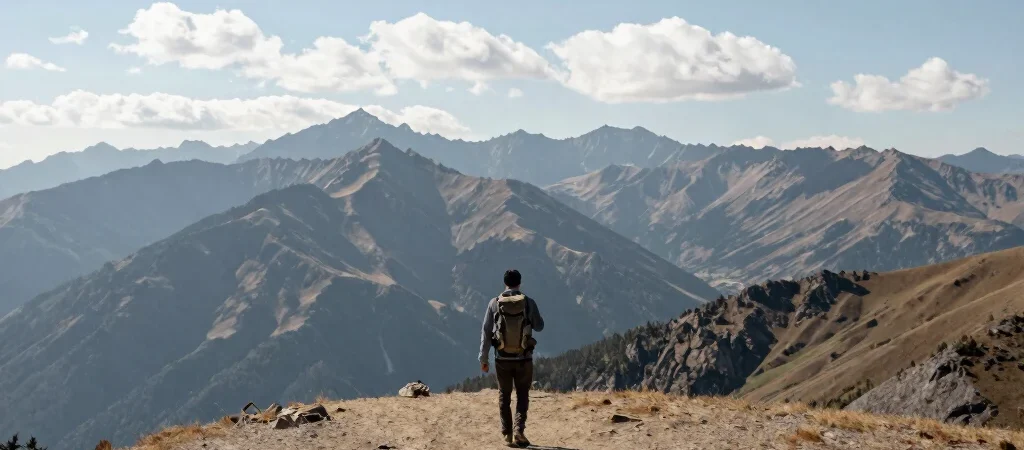
The parking lot may feel warm, but the trail climbs into a different set of conditions. Before a mountain hike, I look beyond the forecast for town and think about elevation, exposed ridgelines, and how long it will take to get back down.
Read the route as a whole
A trail’s mileage only tells part of the story. Check the elevation gain, surface, and whether the route spends time above tree line, where wind and weather can feel more direct.
Pack for changing conditions
A light insulating layer and a wind- or rain-resistant shell can matter even when the trailhead is clear. Bring water and food that are easy to reach, plus a map you can use if phone reception fades.
Choose a pace you can keep
The steepest section often feels longer than it looks on a map, so start at a pace that leaves room to breathe and take in the surroundings. Set a turnaround time before you begin; reaching a viewpoint is a good bonus, not a reason to ignore worsening weather or a tired group.